
Watercolours
Watercolour, in its simplest form, was the earliest form of painting. Watered-down colour pigments were used in prehistoric cave painting as well as by the ancient Egyptians and in Chinese brush painting. These days it’s a very popular medium used in many different types of artwork, from traditional to contemporary and from the finely detailed artwork of illustrators to the non-representational art of abstract artists.
What are Watercolours?
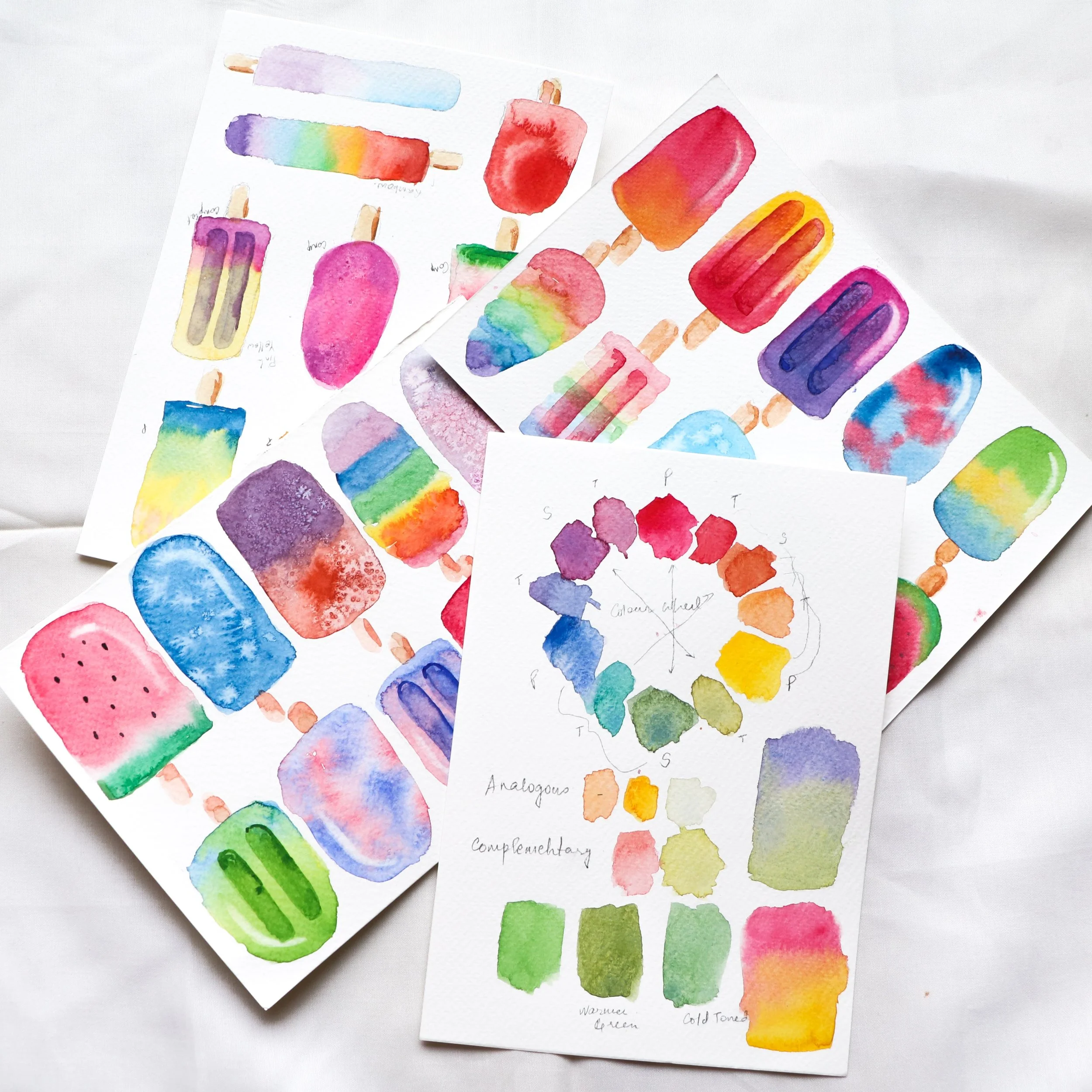
Modern watercolour paints contain pigments that are bound together with a water-soluble binder - usually gum arabic - as well as various additives to make the colours lightfast or the finish more glossy. They are available in blocks (called pans), tubes, or even pencils. Each of these needs water added in order to paint with them and, as with most art materials, the quality of the paints makes a big difference to your end results. The better the quality, the higher the density of pigments and therefore, the richer the colour.
Equipment You Will Need
To paint with watercolours, you will need some basic equipment. Because you will be painting with a substantial amount of water, the paper you use must be able to withstand wet media. Ideally, you should use a watercolour paper of at least 300gsm with dents in the paper that will hold the watery paint.
Watercolour brushes have finer and more densely-packed bristles than other brushes. This is so the brush holds water when transferring from the mixing palette to the painting. The more expensive brushes are made from sable, but you can get great results from a synthetic brush. Choose a selection of sizes and shapes - the bigger the ‘belly’ of the brush, the more water and pigment it can hold. ‘Mop’ brushes are large round brushes with no tip that are used for large areas of wash; ‘fan’ or ‘rake’ brushes allow you to paint multiple lines quickly, so are great if you are painting something like grass.
Use at least two pots of water for rinsing, as dirty water will quickly ruin your painting. A white ceramic or plastic mixing palette and some kitchen roll for wiping are also vital for successful watercolour painting.
Tip - You don't need very tiny brushes to get fine detail in watercolour. A mid-sized brush with a small tip will hold more paint and will give a more consistent fine line then a tiny round brush.
Preparation
Before you begin, secure your paper to your board to prevent curling or buckling. You can tape your watercolour paper down with low-tack masking tape or, if you have time to let it dry, wet your paper all over on both sides and stick down with gummed tape. It helps if your board is at a slight angle so the water can travel downwards, rather than pooling on the surface, so find something to prop your board up with. An easel is too upright for watercolour painting unless you’re very good at controlling the water distribution.
How to Paint With Watercolour
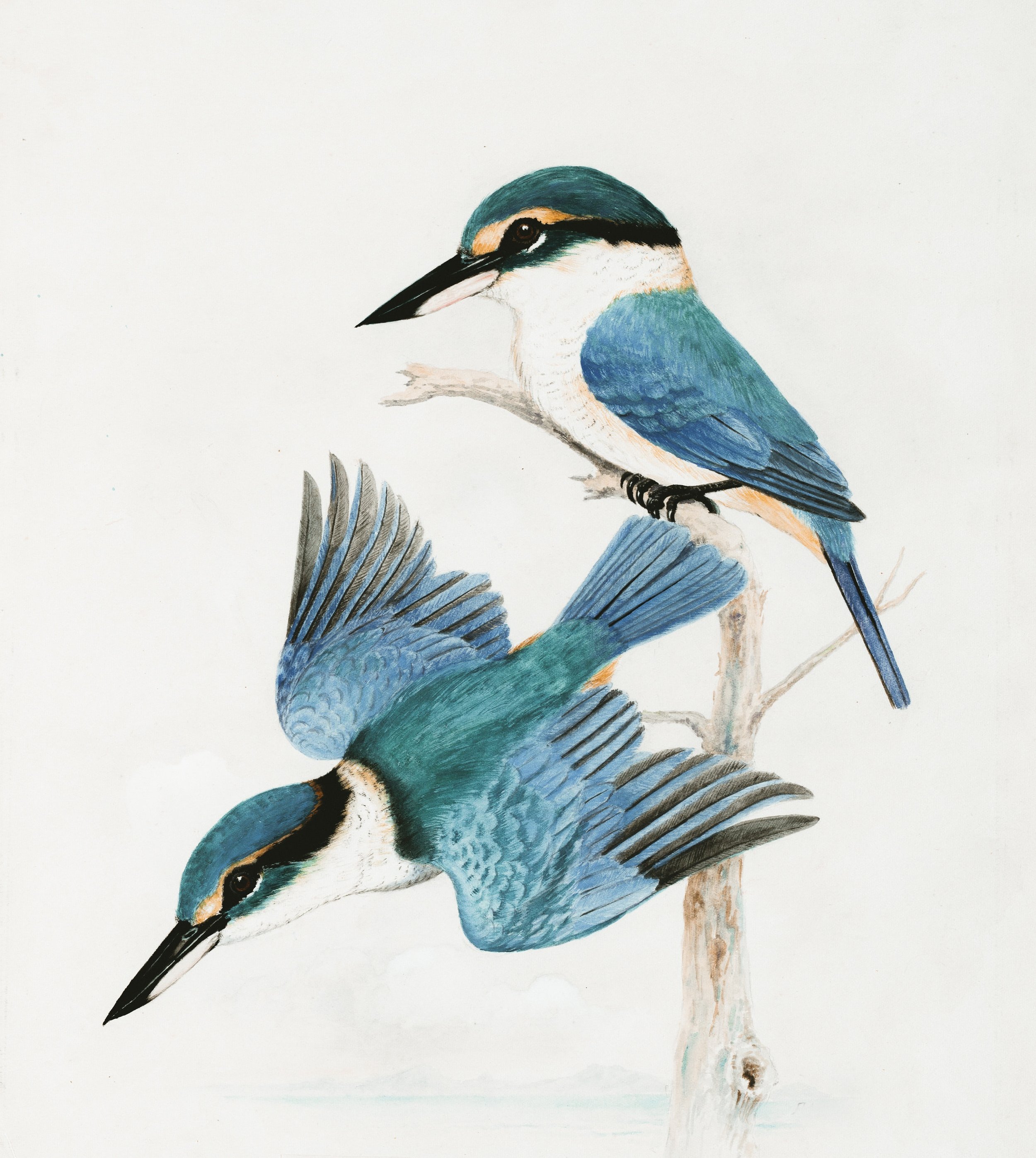
The key feature of watercolour paint is that it’s translucent because you mix it with water. This means that you can see through the paint to whatever is underneath – so you can either see the paper itself or the previous layer of paint shining through. You therefore need to plan ahead, working from light to dark (rather than background to foreground as you do with oils and acrylics). Any white areas in your composition can be left unpainted as the paper is white, or masked out with masking fluid to avoid painting small areas. It’s best to keep any under-drawing to a minimum so the pencil marks aren’t too prominent in your finished work; you could use a water-soluble pencil so it disappears as you paint.
A successful watercolour painting is usually one where the artist has refrained from filling in every area of the paper and adding every last detail. If you add too much to a watercolour painting it can lose its vibrancy and sense of freedom. We’re often asked, “How do I know when to stop?” and our answer is usually “5 minutes ago!”.
Techniques
There are lots of techniques used in watercolour painting to achieve different effects and textures, so we’ll give you a Skills Sheet with further details about those when we do a watercolour project later in the course. For now, it’s important to know that it’s all about controlling the amount of water in your mix, knowing how long to wait for things to dry before adding more colour, and how to work with the translucency and fluidity of the paint. We’ll go through all these things in more detail when you get to your first watercolour project, so you can see the techniques in action.